A USDA loan, formally the Section 502 Guaranteed Rural Housing Loan, lets eligible buyers purchase a home in an approved rural area with 100 percent financing. That means no down payment at all, a fixed 30-year interest rate, and no private mortgage insurance. For buyers priced out by the 20 percent down payment they have heard they need, it is one of the most powerful tools available, and it is a particularly good fit for Washington County.
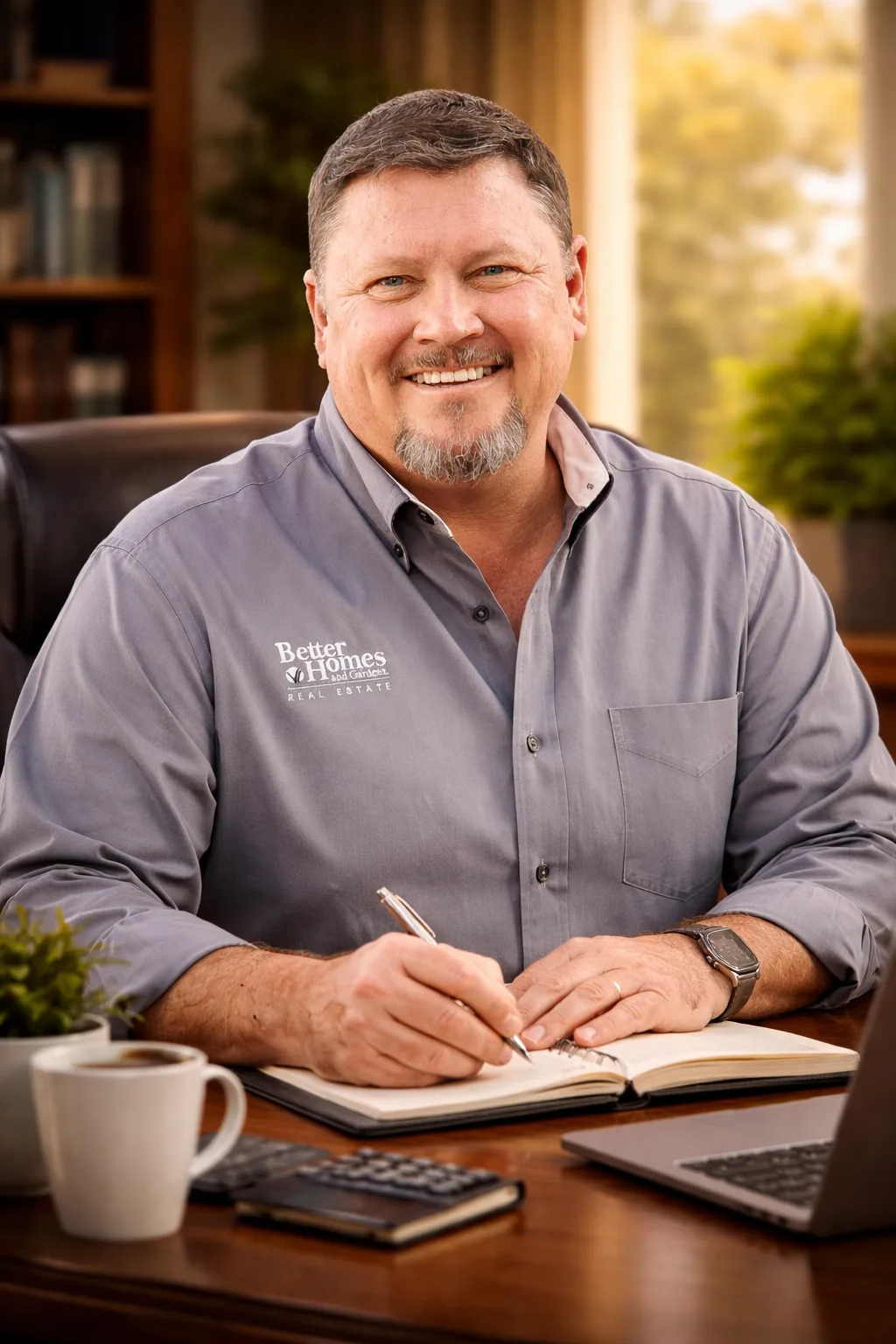
My name is De Wayne Mortensen II. I am a REALTOR® with Better Homes and Gardens Real Estate Hometown, licensed in Texas (836279) and California (01749107), with more than 20 years of experience helping buyers in Brenham, Washington County, and the surrounding South Central Texas counties. Country property is a specialty of mine, and the USDA program comes up in almost every rural purchase conversation. Here is what you actually need to know, starting with the answer to the question buyers ask first.
Can I Get a USDA Loan Here? The Direct Answer
Yes, for the overwhelming majority of homes in Washington County. The USDA program is designed for communities outside large metro cores, typically places with under roughly 35,000 residents, and it covers about 97 percent of the land area of the United States. Brenham, with around 18,000 residents, and the broader county are well within that rural definition, and Washington County sits outside a major metropolitan statistical area. As a result, most properties in and around Brenham, Burton, Chappell Hill, and Independence are in USDA-eligible territory.
One important caveat: USDA eligibility is verified property by property, not by town or ZIP code. A corner of a subdivision on the edge of town might fall outside the eligible map while a home two streets over qualifies. Before you get attached to a property, the address should be checked on the official USDA eligibility map at eligibility.usda.gov. This is a quick step, and I run it early in the process with every buyer who wants to use this program.
What a USDA Loan Actually Is
The USDA Rural Development Guaranteed Loan is a government-backed mortgage issued by private lenders and guaranteed by the U.S. Department of Agriculture. It is not a farm loan. Despite the department name, you do not need to work in agriculture, own a farm, or buy farmland to use it. It is a straightforward home purchase loan for people who want to live in a rural or small-town community, which describes exactly what Brenham and Washington County offer.
The program's headline feature is 100 percent financing: qualified buyers can finance the full purchase price with nothing down. The loan is a fixed-rate, 30-year mortgage, and the home must be your primary residence. It is available to repeat buyers as well as first-timers, which surprises a lot of people.
USDA Loan Requirements in Washington County
The requirements fall into a few clear buckets, and most Washington County buyers clear them comfortably:
Income limits. Your household income must stay at or below 115 percent of the area median income, what USDA calls "moderate income." The exact ceiling is set by county and household size. As a rough benchmark, USDA's published 2026 baseline for a four-person household is around $112,450, but the number that applies to you depends on Washington County's figures and your family size. You verify your household's limit on USDA's income limit map or through your lender. Note also that USDA counts the income of everyone in the household, not just the borrower.
Primary residence. The home must be owner-occupied. USDA loans cannot be used for investment properties, second homes, or vacation rentals.
Credit and debt. USDA itself does not publish a minimum credit score, but most lenders want to see a 640 or better, and some will work with 620 plus compensating factors. Your debt-to-income ratio should be within normal limits, typically around 41 to 43 percent, and your income needs to be stable and documented. The program is intended for households that would struggle to qualify for conventional financing without a down payment, so there is no requirement that you already own a home or have perfect credit.
Citizenship. You must be a U.S. citizen, a non-citizen national, or a qualified alien with eligible immigration status.
A modest home. USDA defines the property it will finance as "modest" for the area: appropriate in size, features, and price for the community, not excessive for the market. A normal Washington County home, whether in town or on acreage, fits comfortably within that standard.
What a USDA Loan Costs (and What It Saves You)
USDA loans are not free money, but their all-in cost is hard to beat. For loans obligated in fiscal year 2026, the program charges an upfront guarantee fee of 1.0 percent of the loan amount, which is typically financed into the loan rather than paid at closing, plus an annual fee of 0.35 percent of the remaining balance, billed monthly. There is no private mortgage insurance, which is usually the biggest ongoing cost on other low-down-payment loans.
For comparison, an FHA loan also allows a low down payment (3.5 percent) but charges an upfront mortgage insurance premium of 1.75 percent plus an annual premium that generally runs 0.55 percent of the balance for most borrowers. Over the life of a loan, USDA's lower fees can mean thousands of dollars in savings. And because the down payment is zero, the entire purchase price is financed at a fixed rate.
On price limits: USDA's guaranteed loan limit for Washington County was about $336,500 for 2024, and the county's median sale price has been running near $298,000 through 2026, so the vast majority of homes selling in this area are comfortably inside program limits. As with everything in lending, the details move, so verify current limits with a lender who works the program regularly.
USDA vs. FHA vs. VA vs. Conventional
USDA. Zero down, fixed 30-year terms, low fees, no PMI. Best for buyers whose income fits the county limit and who are buying an eligible rural property. Not available for investment properties.
FHA. 3.5 percent down, credit scores down to 580 with the down payment, higher upfront and annual insurance premiums. Works in any location, including inside city limits that fall outside USDA's map.
VA. Zero down for eligible veterans, active-duty members, and qualifying surviving spouses, with no loan limit for borrowers with full entitlement. No mortgage insurance, though there is a one-time funding fee unless waived for qualifying disabilities. If you are a veteran or in the military, this is often the best deal available, and I cover it in depth on my military and veterans page and in my guide to reusing a VA loan.
Conventional. As little as 3 percent down for first-time buyers through Fannie Mae and Freddie Mac, with private mortgage insurance until you reach 20 percent equity. No income limits and no set location restrictions, but the down payment, credit requirement, and PMI make it a different trade-off.
The right program depends on your income, your credit, the property, and your long-term plans. That is why the first step is always a conversation with a local lender. I work with trusted lenders who originate USDA loans in this area every month, and I will connect you with someone who can run your actual numbers. My guide to preparing for a mortgage application covers the steps to take before you apply.
USDA Loans and Rural Property: Wells, Septic, and Acreage
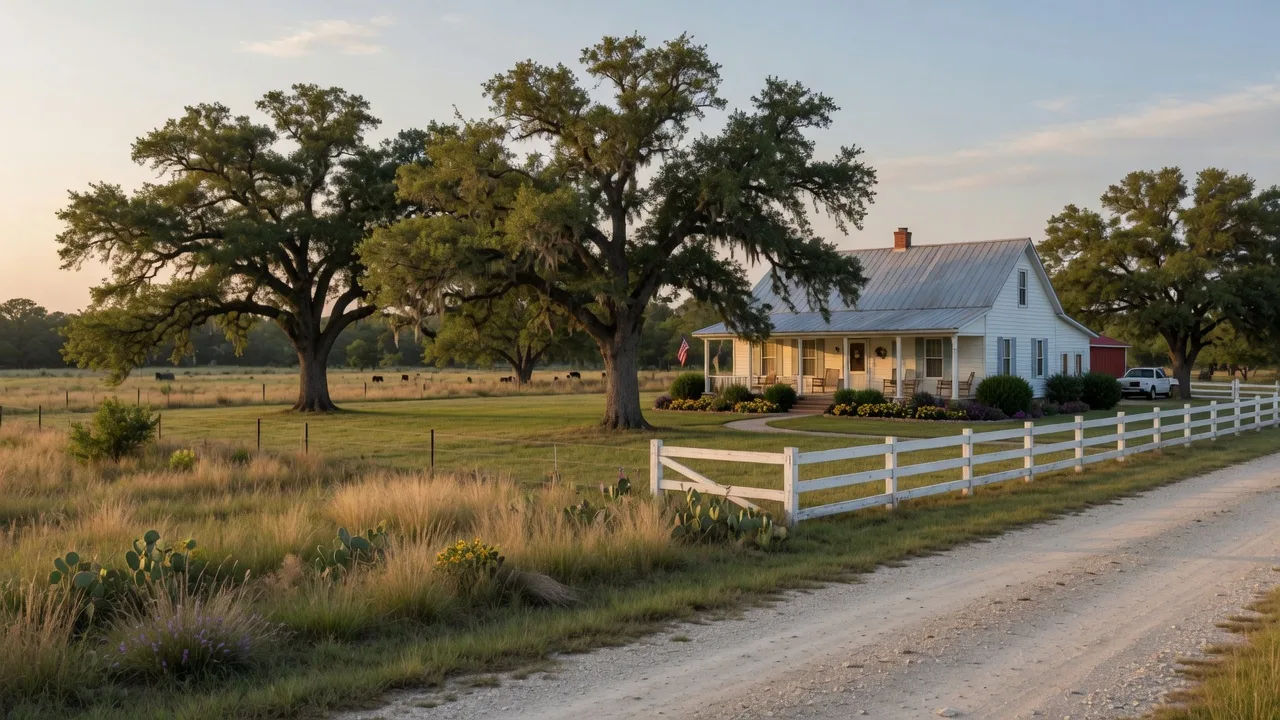
One of the beauties of the USDA program in Washington County is that it works on the country properties buyers come here for: homes with acreage, private wells, and septic systems. The program requires the property to meet health and safety standards, which for rural homes means a safe and adequate water supply and a functioning wastewater system. A well test and a septic inspection are part of the process on many of these properties, and a conventional or FHA buyer would face the same due diligence. My guide to wells and septic systems for rural buyers explains what to expect.
The practical rule with acreage: the home must still be the primary feature of the loan. USDA finances the house, the homesite, and a reasonable amount of land. It is not a program for buying raw land with plans to build later, and the total property value must stay within the modest-home standard for the area. If you are comparing a five-acre homesite versus a fifty-acre tract, I will help you think through which properties finance cleanly and which need a different approach.
Using a USDA Loan for New Construction
Yes, USDA can finance new construction in eligible areas when the home is built by a licensed, approved builder and meets program standards. Brenham has active new-home development, and a USDA purchase can combine a zero-down loan with the advantages of a new build: a builder warranty, modern systems, and energy efficiency. As with any new-construction purchase, the buyer's protections are stronger when you have your own representation rather than relying on the builder's on-site salesperson. I cover that decision in my guide to hiring your own REALTOR for new construction.
Common Questions About USDA Loans in Washington County
Do I have to be a first-time buyer?
No. USDA is not restricted to first-time homebuyers. Current homeowners can use it when they sell or keep their existing home, as long as the new purchase will be their primary residence and they meet the income and eligibility rules.
Do I have to be a farmer or work in agriculture?
This is the most common misconception. You do not need any connection to farming. The program is named for the USDA because it funds rural development, not because it lends to farmers. Teachers, nurses, remote workers, retirees, and everyone else who wants to live in Washington County can use it.
What credit score do I need?
USDA publishes no minimum, but most lenders want a score of 640 or higher, and some accept 620 with compensating factors such as a solid cash reserve or low debt. If your score is lower, we talk about whether a few months of credit work positions you better, or whether FHA is the smarter route.
What are the income limits for Washington County?
The limit is 115 percent of the area median income, calculated by county and household size. The USDA income limit map and your lender give the exact figure. What is often lost in the conversation is that USDA counts all household income, so a two-income household near the county median should check carefully before assuming they qualify.
Is there a USDA Direct loan too?
Yes. Alongside the Guaranteed program most buyers use through a private lender, USDA offers a Direct loan for low- and very-low-income households, with a subsidized interest rate of 5.25 percent as of September 2026 and payment assistance in some cases. It is more limited in funding and requires a different application process, but it is worth knowing about if your income is on the lower end.
Can a USDA loan finance a manufactured home?
In some cases, yes. USDA can finance qualifying manufactured homes when they are on a permanent foundation, meet HUD construction standards, and are taxed as real property. Each case is reviewed on its merits, so it is worth asking about if you are considering that route.
Can the seller help with my closing costs?
Yes. USDA allows seller concessions toward closing costs and related fees within program limits, which is a practical way to reduce your out-of-pocket expense even further on top of the zero down payment. Buyer-agent compensation and concessions work differently after the NAR settlement, and I explain the current rules in my guide to seller concessions and buyer-agent compensation.
How to Find Out if Your Property Qualifies
The process is straightforward. First, check the address on the USDA eligibility map at eligibility.usda.gov. Second, have a lender run your income against the Washington County limit. Third, confirm the property can meet USDA's modest-home and property standards, which is where an experienced local agent earns their keep. I check eligibility, flag issues early, and coordinate with lenders who know the program, and I have answers to more financing questions on my FAQ page.
The Bottom Line
If you have been assuming you need a 20 percent down payment to buy in Washington County, the USDA loan is worth a serious look. Zero down, a fixed 30-year rate, low program fees, and no PMI make it one of the most affordable ways into a home in this part of Texas, and most of the county's properties qualify. The program is not for everyone: income limits exist, the home must be your primary residence, and the property has to sit on the eligible side of the map. But for the right buyer, it turns "someday" into "this year."
I would be glad to help you find out whether a USDA loan fits your numbers and your dream property. With more than 20 years in real estate, including years helping buyers finance rural homes, wells, septic, and all, I can walk you through eligibility, connect you with a local USDA lender, and keep the process moving. Call me at 936-727-8820 or schedule a time to talk. Glad to help.